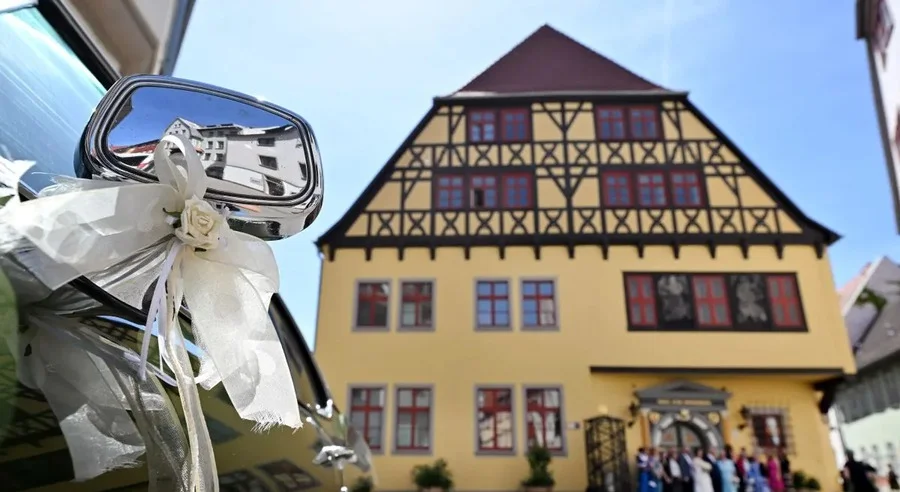
An international resident in Germany recently undertook a remarkable journey for their wedding. They traveled approximately 8,500 kilometers, crossing eight time zones. This extensive trip allowed them to bypass the notorious German wedding bureaucracy.
Initially, the couple desired a simple, low-cost ceremony. However, they soon realized marrying in Germany as a foreigner presented significant obstacles. The process often proves a dead-end for many international residents.
One primary hurdle is the mandatory language requirement. All official civil ceremonies in Germany are conducted entirely in German. This demands a solid command of the language from both partners.
For instance, an official interpreter, known as a Dolmetscher, becomes essential if either spouse lacks fluency. Moreover, any optional witnesses must also understand the proceedings. One incident saw a ceremony nearly halted because a witness asked a clarifying question in English.
Compiling the necessary paperwork presents another formidable challenge. Foreign couples typically require numerous specific documents. These include a recent registration certificate (Erweiterte Meldebescheinigung) and a certificate of no impediment to marriage (Ehefähigkeitszeugnis).
Gathering all these documents and their official translations within strict, short timelines is difficult. One person recounted needing to request a birth certificate from Canada, waiting for its mail arrival, and then sending it back for notarized translation.
Securing appointments adds further complexity. Couples first need an appointment to file their intent to marry (Anmeldung der Eheschließung). After approval, a six-month window opens for the actual ceremony.
Finding an available slot within this period, especially in busy cities like Berlin, is not always easy. While the initial application goes to the local registry office, the ceremony can occur elsewhere. Smaller towns often offer more availability.
Given these complexities, many foreign nationals, and even some Germans, opt for alternatives. Denmark stands out as a popular choice for weddings. The entire marriage process there can conclude in just a few weeks.
Another benefit of marrying in Denmark is receiving a German-language marriage certificate. This eliminates the need for an additional translation when registering the union back in Germany. The individual described having a strong aversion to such paperwork and German wedding bureaucracy, making this choice obvious.
Despite marrying abroad, the journey isn’t entirely over for couples. Upon returning to Germany, the foreign marriage must be officially recognized. This still requires at least one trip to the local registry office.