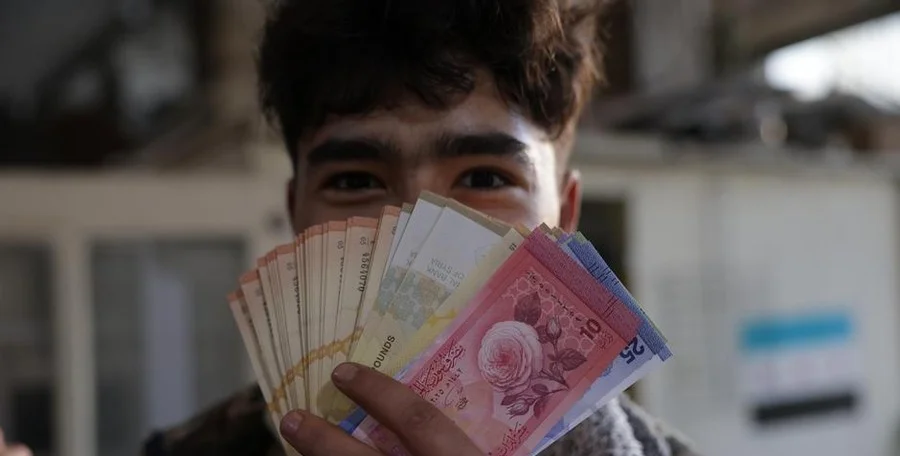
Ordinary Syrians are struggling with escalating expenses as the government announces national prosperity. Indeed, Syrian living costs have become unbearable for many. This economic disparity is particularly evident after recent fuel price increases.
Kanan Abdullah, a Damascus driver for 12 years, now finds it hard to earn a living. Fuel costs leave him with little profit. “You’re left with almost nothing at the end of the day,” he noted. People worry about transport expenses, which can consume half their wages, according to Kamar Kasoum, a local mother of three.
Mid-September saw a significant government-mandated fuel price hike. Diesel prices, for example, surged by 40 percent. The energy ministry attributed these changes to higher global costs and local shortages. Syria remains heavily dependent on energy imports.
This move ignited widespread protests, the most extensive since late 2024. Demonstrators blocked roads and demanded political accountability. While the government later offered some diesel subsidies, the initial unrest underscored deep public frustration.
However, rising fuel prices are only one factor in broader inflationary pressures. The Syrian Center for Policy Research reported a nearly 25 percent price increase between July 2025 and July 2026. Worryingly, essential expenditures like housing and utilities climbed by around 37 percent.
“There is no sensible correlation between income and prices,” explained Alaa Sndyan, a Damascus architect. People feel an acute pinch, she added. Kamar Kasoum also emphasized the severity: “We’re at the point where we can’t even say that we’re just cutting back on non-priorities. It’s like, let’s just stick to eating and drinking. Nothing else.”
Official statements paint a different picture. President Ahmad al-Sharaa predicted Syria’s economy would reach $50 billion this year, up from $20 billion in 2024. Reports of billion-dollar international investments are also frequent. Meanwhile, the United Nations states over two-thirds of Syrians live in comparative poverty.
This “prosperity” does not reach ordinary citizens. Many projects appear aimed at the affluent class, observed architect Sndyan. She feels that people who lost everything during the civil war are being overlooked. Furthermore, transparency and clear communication from the government are urgently needed.
Critics also point to concerns about “crony capitalism.” Some luxury real estate developments, for example, consist of gated communities and high-end apartments. This raises questions about who benefits in a country facing a severe housing crisis.
Observers worry that current “neo-liberal” economic reforms will worsen existing inequalities. They suggest these policies could spark social problems similar to those preceding the 2011 revolution. Monthly polling indicates public patience is rapidly diminishing.
By April this year, only 13 percent of respondents believed the government effectively tackled soaring energy and food prices. Analysts like Sam Heller from Century International highlight the government’s “shock therapy program” of liberalization. They argue it disregards the acute vulnerability and poverty of most Syrians, making Syrian living costs increasingly unmanageable.
Joseph Daher, an expert on Syria’s political economy, further argues that “success” in post-conflict nations requires rebuilding citizenship, justice, and public trust. Economic policy must support these broader goals. Karam Shaar, a consultant, also called for more transparency, expertise, and better governance. He expressed a slim hope these changes might occur.