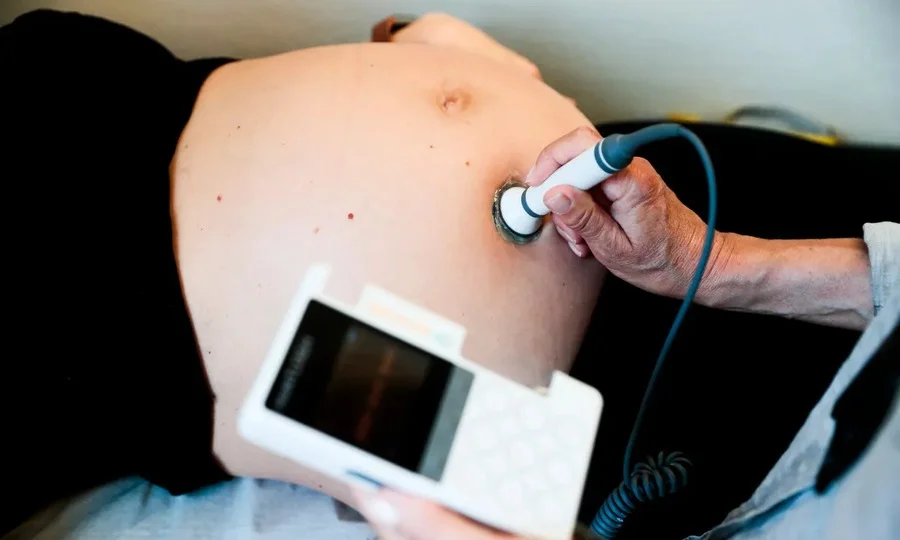
Doctors across Germany are raising alarms about an impending German health reform. This significant overhaul of the country’s healthcare system aims to cut costs. However, medical professionals warn it could negatively impact patient access to essential gynaecological care.
Earlier this year, the German government passed the Statutory Health Insurance Contribution Rate Stabilisation Act. This law seeks to address a multi-billion-euro deficit within the statutory health insurance system. Although passed on July 10th, specific details about doctor reimbursement remain under discussion.
The dispute centers on how specific medical services will be funded from 2027. Currently, prenatal care and some preventive examinations are reimbursed outside doctors’ regular budgets. Therefore, gynaecologists seeing more pregnant women receive payment for this additional work.
However, many of these services will shift into a broader “morbidity-based total remuneration” system. Doctors fear this means extra work for additional patients will no longer be fully reimbursed. Practices could thus be funded on historical activity, not actual patient numbers, according to Hanover gynaecologist Per Kistenbrügge.
No one suggests that vital services like prenatal care or cancer screenings will vanish. Nevertheless, doctors worry that already busy practices might become less willing to expand. This could lead to greater difficulty for pregnant women finding a practice that accepts them. Moreover, patients could face longer waits for routine appointments and specialist services.
For example, Katrin Schaudig, president of the German Menopause Society, highlights potential challenges. Funding pressures may hinder access to specialist menopause counselling, even as public awareness grows. Furthermore, there are fears practices might rely more on private and self-pay services to compensate for lost income, creating new barriers for women on lower incomes.
Meanwhile, health insurers strongly dispute these fears. The GKV-Spitzenverband, representing statutory health insurers, insists that no money is being removed. Spokesperson Florian Lanz stated, “Not a single euro less” will be available for preventive and early-detection examinations in 2027.
AOK Lower Saxony echoed this argument. The insurer claims quota-based reimbursement would only become an issue if patient volumes increased significantly. They do not anticipate such an increase due to declining birth rates in the state. Therefore, patient care will not suffer, they conclude.
Although the law passed, current negotiations will define which services remain subject to spending limits. Doctors’ organisations are leveraging this period to push for crucial amendments. The Professional Association of Gynaecologists has launched a petition gathering tens of thousands of signatures. Additionally, the National Association of Statutory Health Insurance Physicians calls the concerns justified, advocating for improved funding arrangements in ongoing talks about this German health reform.