Germany has formally accused Russia of orchestrating a drone attack, marking a decisive shift in its diplomatic approach. This pivotal announcement comes as Berlin acknowledges facing a “daily target of Germany hybrid warfare”. Incidents of suspected sabotage have rapidly escalated across the nation.
This week, German news outlets reported a series of alarming events. These included arson attacks targeting power infrastructure and construction sites. Furthermore, an explosion rocked a central train station.
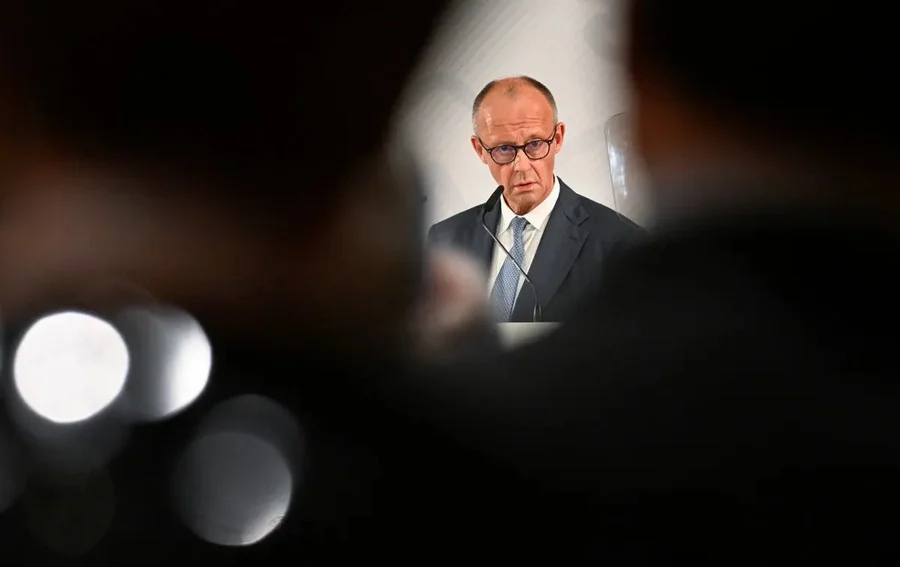
Interior Minister Alexander Dobrindt confirmed Russia’s responsibility for the August 4th drone incident at Leipzig/Halle airport. He cited conclusive evidence from an official investigation. Moreover, Dobrindt stressed that this attack was not isolated.
Dobrindt explained that low-level agents, directed by Russia, carry out these ongoing hybrid attacks. He asserted that while Germany is not at war, it remains a constant target. Historically, Berlin avoided directly naming Russia in similar incidents.
Meanwhile, Foreign Minister Johann Wadephul announced significant retaliatory measures. Germany will tighten entry controls for Russian citizens. Additionally, it will close the Russian consulate in Bonn and terminate the contract for the Russian House cultural centre in Berlin.
Russia, conversely, dismissed the accusations as “absurd.” Moscow issued warnings of “consequences” in response to Germany’s actions. Tensions between the two nations have reached levels unseen since the Cold War era.
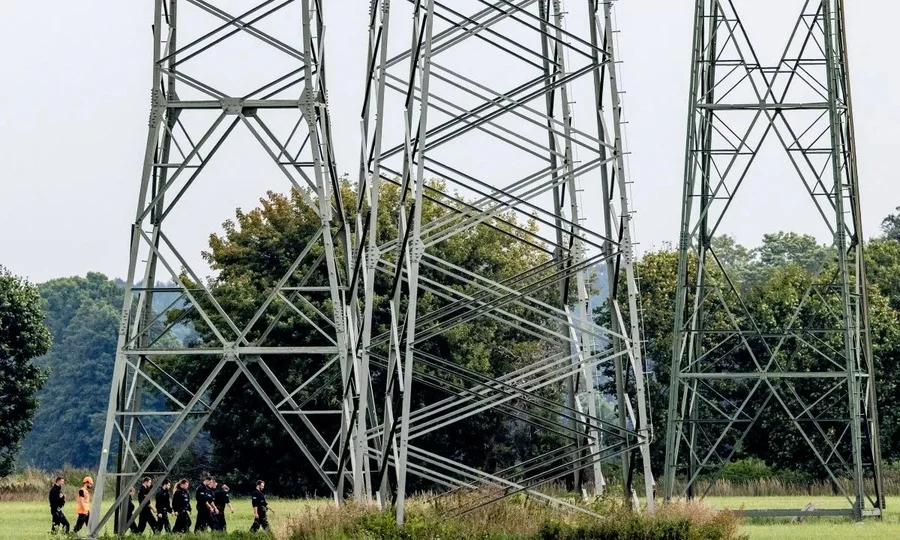
Numerous other suspicious incidents have recently emerged. Improvised explosive devices were linked to an arson at the Jänschwalde coal-fire power plant. Later, perpetrators targeted overhead power lines in Bergheim.
An explosion then occurred in Augsburg’s central train station, disrupting rail services and injuring two people. Authorities also investigated a construction site arson in Munich, possibly aimed at a defense firm.
Investigations continue into further suspected sabotage attempts at energy substations near Aachen and in Dormhagen. Berlin’s BER airport also faced a temporary evacuation. These incidents highlight the widespread nature of the threats.
Federal and state security authorities have registered 165 suspected sabotage cases in 2026 alone. Last year, the total stood at 320. These figures underscore the pervasive challenge of Germany hybrid warfare.
Herbert Reul, North Rhine-Westphalia’s Interior Minister, warned about the increasing frequency of such attacks. He stated that these actions aim to undermine the country’s stability, not merely damage infrastructure.
Germany’s strong support for Ukraine provides Russia with a clear motive for these actions. However, direct military attacks risk triggering a broader conflict with NATO. Hybrid tactics offer a less overt form of aggression.
Experts like Andrei Soldatov, a London-based security analyst, emphasize the need for new approaches. He noted that Cold War-era solutions are no longer effective against this evolving threat. Denmark and France have also reported similar sabotage concerns.