Germany’s largest labor organization, IG Metall, has issued a significant IG Metall pay demand, seeking a five percent salary increase for its millions of members. This move comes despite persistent economic challenges facing Europe’s biggest economy. Union leaders assert that workers deserve better pay, rejecting claims of a widespread crisis.
For years, Germany has experienced economic stagnation. Weak demand for key exports, US tariffs, Chinese competition, and high energy costs have significantly impacted German industries. Many employers warn that costs must decrease to maintain competitiveness.
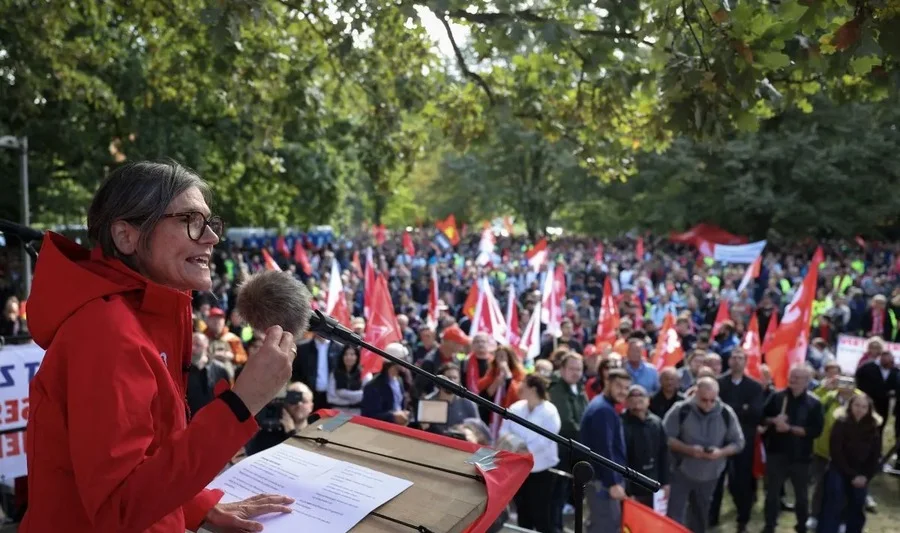
However, IG Metall, representing over two million workers, remains unswayed. Its members span critical sectors, including car manufacturing, factory equipment, shipbuilding, and electronics. Union chief Christiane Benner addressed a press conference, dismissing “rhetoric making out there is a general crisis.”
“Workers deserve better than that,” Benner stated firmly. “We cannot accept threats of relocating plants.” She emphasized that the five percent demand aims to cover inflation. This inflation has accumulated since the last negotiation round concluded in 2024.
German inflation has indeed accelerated recently. It reached 2.9 percent in August, driven by rising energy prices. Benner also criticized employer predictions of “doom and gloom.” She described these warnings as attempts to curb wage growth.
Moreover, Benner highlighted the resilience of key German sectors. “The metal and electrical industries have the strength,” she declared, “to remain Germany’s core sector and the beating heart of its industry.” This assertive IG Metall pay demand therefore underscores the union’s confidence.
Meanwhile, various industries have recently cut jobs. The automotive sector, in particular, has faced considerable difficulties. For example, Volkswagen plans to cut 100,000 jobs by the end of the decade. This aims to compete effectively with Chinese rivals, but the future of four German plants remains uncertain.
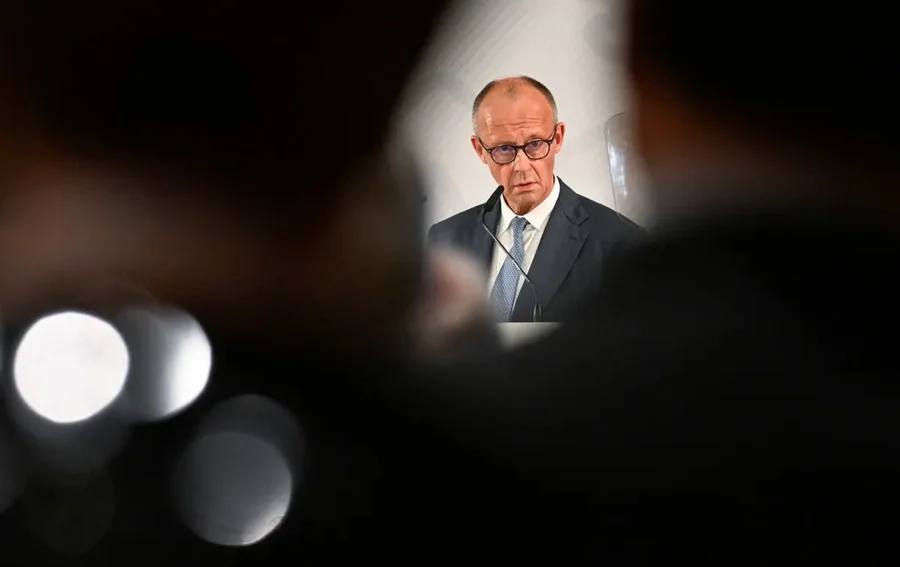
Furthermore, Mercedes-Benz recently warned its workforce. Two plants could close unless the company gains control over its costs. Markus Forschner, finance boss at automotive supplier Bosch, acknowledged the ongoing tension. Speaking separately, he expressed hope for “give-and-take” in the upcoming pay talks.
“We are counting on our partners,” Forschner remarked, “to take forward-looking decisions in the forthcoming negotiations.” These statements highlight the complex balancing act facing both unions and industry leaders across Germany.