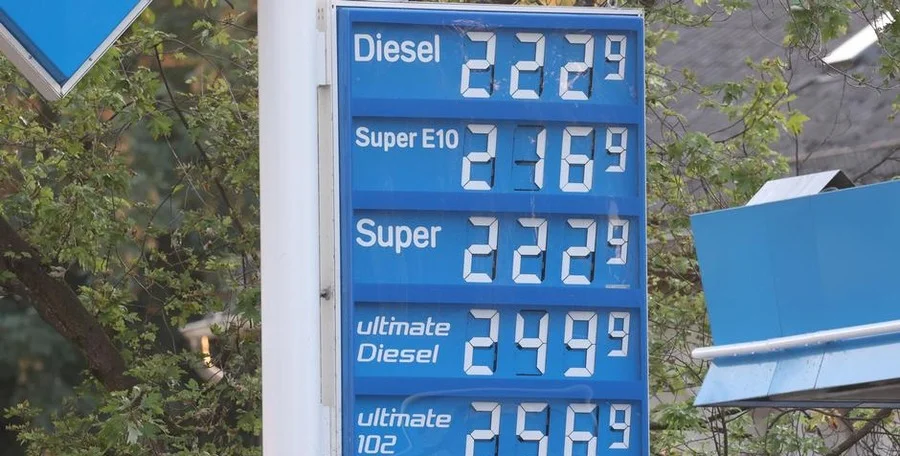
German lawmakers have approved a significant temporary reduction in fuel taxes. The Bundestag passed this measure on Friday. It aims to help citizens manage the burden of high prices at the pump.
Starting October 1, taxes on gas and diesel will decrease by approximately €0.17 per liter. This cut will remain in effect until the end of the year. It represents the second time Germany has temporarily lowered the fuel tax this year. The initiative will cost federal and state governments an estimated €2.5 billion in lost revenue.
Meanwhile, Germany’s political landscape saw other key developments. Defense Minister Boris Pistorius visited Budapest. He announced plans to “restart” military cooperation with Hungary’s new government. This move signals strengthening ties between Berlin and Budapest.
In Berlin, the Left Party, victorious in the recent state election, voted to begin exploratory coalition talks. They will engage with the Greens and Social Democrats (SPD) to form a new city government. The party secured 25.7% of the vote.
Economically, major changes are also underway. Specialty chemicals firm Evonik confirmed that rival BASF seeks a takeover. BASF approached Evonik regarding a possible voluntary offer for all shares. However, formal talks are not currently taking place.
A new law passed the Bundesrat, making e-scooter rental companies liable for accidents. This shift aims to simplify compensation claims for victims. Until now, individual renters were responsible, often complicating the process.
However, a controversial decision emerged from Heidenau. The town banned new “Stolpersteine” (stumbling stones) honoring Holocaust victims. This move, supported by the CDU and the far-right AfD, sparked widespread criticism. Opponents argue the plaques disrespect victims by being walked upon.
On housing, a new study suggests Berlin’s plan for housing expropriations is financially viable. Researchers found the city could afford to acquire 210,000 apartments for €13.5 billion. This could help address the capital’s housing crisis.
Furthermore, an environmental concern persists. Water levels on the Rhine River, a vital trade route, reached a record low near Koblenz. A gauge showed only 2 centimeters on Thursday, highlighting potential economic risks. This situation impacts commercial shipping.
Elsewhere, a conservative Saxon state minister, Armin Schuster, proposed significant changes to asylum rights. His plan seeks to tie asylum numbers to municipal capacity. It also suggests detaining rejected asylum-seekers for deportation. This could alter German and European human rights laws.
Finally, students across Germany launched protests against the potential return of military conscription. Over 100 demonstrations are expected. This follows mandatory military testing notices for young men in Schleswig-Holstein. Germany suspended compulsory service in 2011.